
Once you start getting into perfume, you will quickly come across two terms: designer and niche. It is not about better and worse, but about two different approaches to fragrance.
Designer perfumes
These are fragrances from fashion houses and big brands such as Armani, Yves Saint Laurent, Paco Rabanne, Hugo Boss, Bvlgari and Montblanc. They are created for a wide audience, sold in almost every perfumery and backed by big advertising campaigns.
- Easy to like and suitable for every day
- More accessible prices
- You will often smell them on other people
Niche perfumes
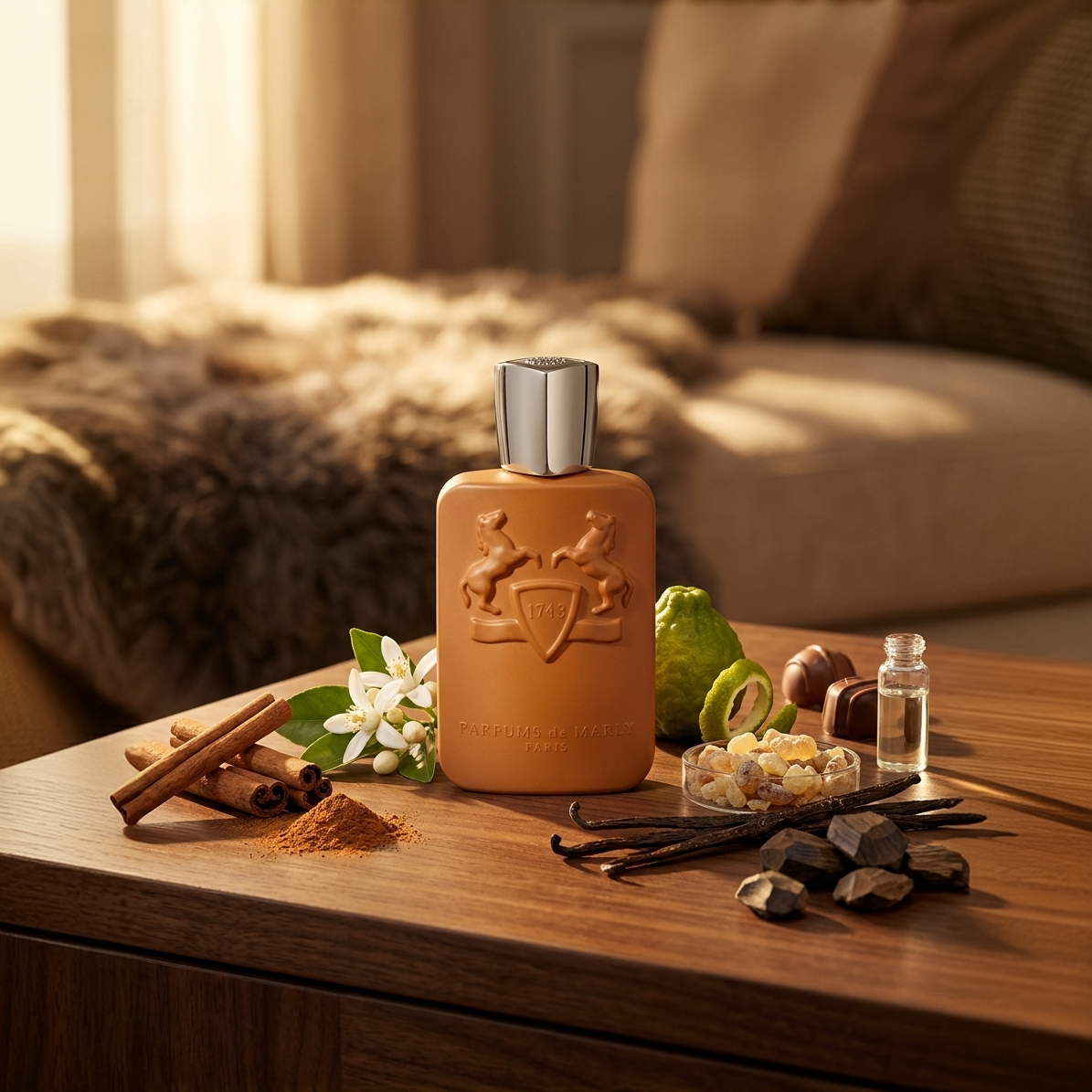
Niche houses work only or mainly with perfume. Examples are Parfums de Marly, Xerjoff, Kilian, Mancera, Montale, Orto Parisi and Sospiro. They work with bolder compositions, more expensive ingredients and smaller production runs.
- A more unique and memorable character
- Often richer and longer lasting
- Higher prices, often between 200 and 400 euros a bottle
- You will rarely smell them on someone else
What about Tom Ford?
Tom Ford is an interesting case. Its main line is designer, but the Private Blend collection, which includes Tobacco Vanille, Oud Wood and Tuscan Leather, is considered niche in both character and price.
Which is the better choice?
It is up to you. If you are looking for a safe, pleasant scent for every day, designer fragrances are a great choice. If you want something that sets you apart, niche is worth it. Many people wear both depending on the occasion.
This is exactly where decants are most useful. Niche perfumes are expensive and the risk of a blind buy is high, but with 5 ml you can try several fragrances for a small part of the price of one bottle.
Browse the designer decants and the niche decants and compare for yourself.
Read more: What is a perfume decant and why try one before a full bottle and Discontinued perfumes: why they disappear and how you can still find them