
If you are into niche perfume, you have surely seen the word oud on dozens of bottles. It sounds exotic, and fragrances with it are often among the most expensive. But what exactly is oud, and why do perfumers around the world call it "liquid gold"?
A scent born from a wound
Oud comes from the agarwood tree (Aquilaria), which grows in the forests of Southeast Asia: India, Cambodia, Laos, Vietnam and Indonesia. A healthy tree has almost no scent. The magic begins when it becomes infected by a mould or fungus. To protect itself, the tree starts producing a dark, thick resin that slowly soaks into its heartwood. This resinous wood is oud.
The process can take decades, and only a small share of wild trees ever become infected. That is why real oud is extremely rare. The finest oud oil can cost more than gold per gram, which is where its nickname comes from.
Thousands of years of tradition in the East
In the Middle East, oud has been part of everyday life for centuries. Chips of the wood are burned like incense to scent homes and clothes for celebrations and guests, and the oil is worn directly on the skin. In India, China and Japan agarwood is also sacred and used in meditation and religious rituals.
How oud reached Europe
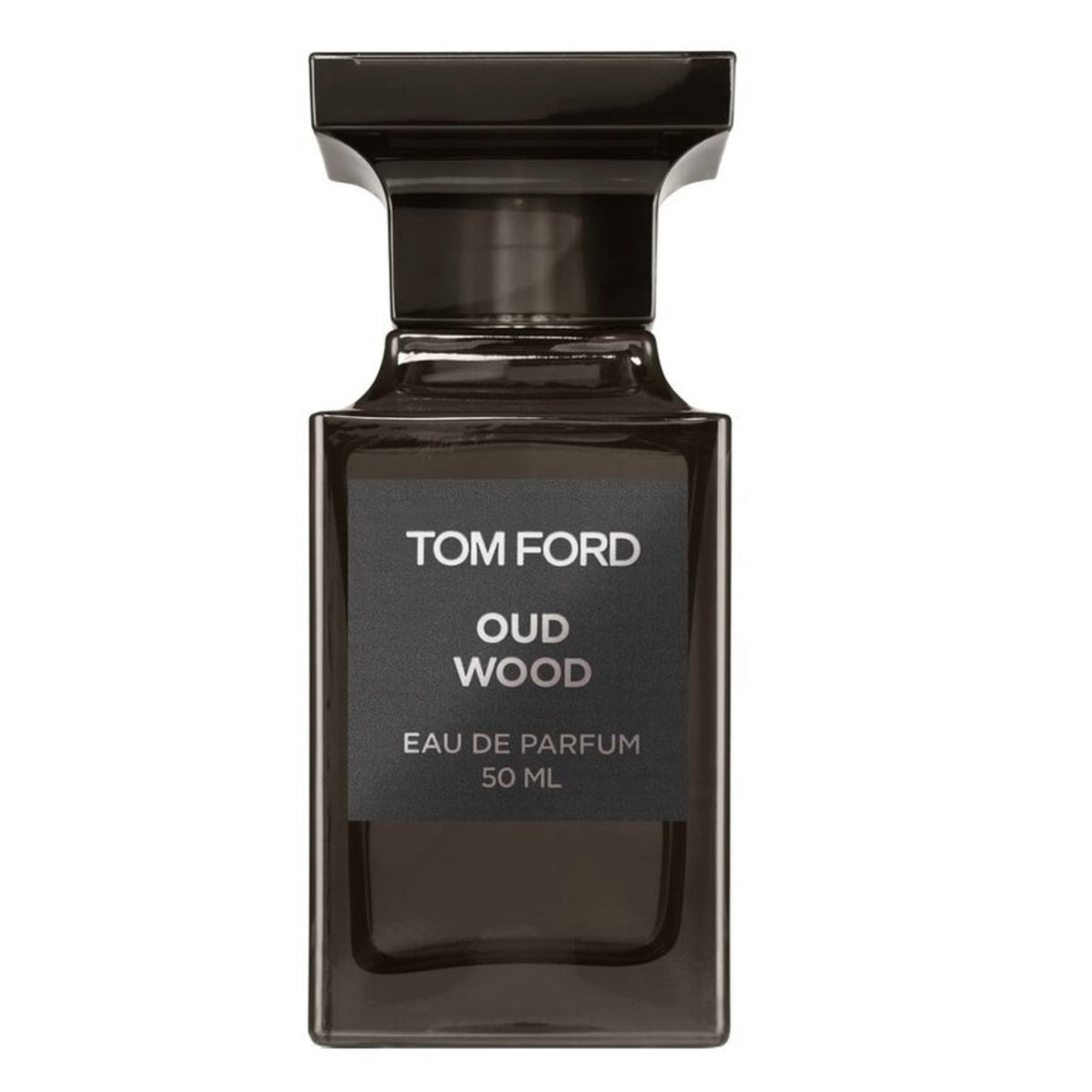
For a long time Western perfumery barely knew oud. Among the first fragrances to make it famous in Europe were Yves Saint Laurent's M7 from 2002 and Tom Ford Oud Wood from 2007. Oud Wood showed that oud could be smooth, creamy and refined rather than only heavy and animalic. After it, almost every luxury brand created its own oud fragrance.
Today agarwood is protected by the international CITES convention because wild forests are being cut down quickly. That is why most perfumes use an oud accord, a blend of natural and synthetic ingredients that recreates its scent. This makes oud more accessible while protecting nature.
What oud smells like
Natural oud is complex: woody, smoky, resinous, slightly leathery and sometimes even "animalic". Some people love it at first sniff, others need time to appreciate it. That is why perfumers often pair it with rose, saffron, vanilla or sweet fruit to soften it.
5 oud fragrances to try
- Tom Ford Oud Wood: the classic that made oud famous in the West. Smooth, woody and elegant, with cardamom and sandalwood.
- S.T. Dupont Oud & Rose: the most classic pairing in Arabian perfumery, oud and rose, softened with saffron and vanilla.
- Montale Oud Sapparot: an unexpected contrast between dark oud and juicy pineapple. Sapparot means "pineapple" in Thai.
- Boss Bottled Oud: the familiar BOSS classic with a touch of the East. A good first encounter with oud if you are just discovering it.
- Electimuss Imperium: a regal Extrait de Parfum where a light oud sits in the base beneath tuberose, saffron and vanilla.
Why try oud as a decant
Oud is an ingredient you either love or don't. That is why it is best to try it on your skin for a few days before buying a full bottle. With an original 5 ml or 10 ml decant you can compare several fragrances and find the oud that is yours. If you want to compare them side by side, pick three in Build your set and get 10% off the whole set.